For a very long time, storytelling has been a potent tool for evoking human experiences, building community, and encouraging empathy. Storytelling becomes even more important when it comes to correcting historical injustices. Storytelling may help promote healing, understanding, and social change by providing a voice to the underprivileged and bringing attention to the stories that are frequently disregarded.
This article will help you understand the importance and power of storytelling in history.
Unearthing Hidden Narratives: The Role of Oral Histories
The stories that history books frequently ignore are vitally illuminated by oral histories. These first-hand narratives, transmitted between the generations, offer a varied and complex tapestry of experiences that help us understand the past in greater detail. We provide voice and respect to people who have experienced historical injustices by documenting and disseminating these stories.
In addition to safeguarding a community’s cultural legacy and individual experiences, oral histories also pose a challenge to prevailing narratives that may have overlooked or inaccurately portrayed these accounts.
The Impact of Personal Testimonies in Shaping Public Memory:
Personal accounts have a significant influence on how historical events are remembered and understood by the general population. By sharing their particular stories of injustice, people humanize history and make it more approachable. For others, these testimonials make the abstract ideas of prejudice and oppression real and palpable by giving them a voice and a face.
We can dispel preconceived notions and assumptions about particular historical occurrences or groups by hearing firsthand accounts.
Transforming Trauma Through Artistic Expressions:
Literary, musical, theatrical, and visual arts are examples of artistic expressions that provide a distinctive and powerful means of addressing past injustices. Words alone are unable to fully express the feelings and sensations that art has to offer.
People and groups can process and change their trauma via artistic expression, leading to healing and empowerment. Creative investigation and interpretation of historical events are made possible by artistic storytelling.
Educational Initiatives: Using Stories to Teach and Heal
One of the most effective ways to confront past injustices and encourage healing is to incorporate storytelling into educational activities. Narratives have the power to emotionally connect with children, bringing history to life and encouraging a closer bond with the past.
Teachers can establish a learning atmosphere that is more inclusive and sympathetic by incorporating personal narratives into the curriculum. Storytelling-based educational programs offer chances for healing and reconciliation as well.
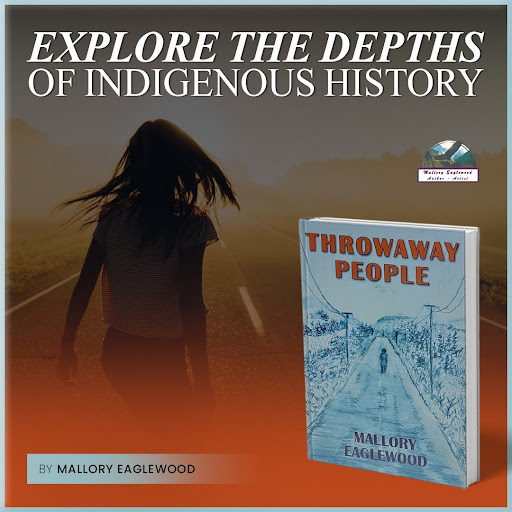
If you are looking for historical and thought-provoking fiction, ‘Throwaway People’ by Mallory Eaglewood is for you. Embark on a gripping journey with Birdie as her world is forever altered by the discovery of a fisherman’s lifeless body on a Scottish beach. Triggering haunting memories of her brother’s mysterious disappearance, Birdie, a Metis woman, feels an undeniable call to her Native roots.
To uncover the truth about her brother Gerald and mend the fragments of her family, Birdie must navigate a challenging path through racism, betrayal, and her own guilt. From the Scottish Highlands to her British Columbia hometown, Birdie’s quest takes her on a transformative odyssey. As she grapples with her Indigenous heritage and risks everything to seek justice, the inconvenient truth of the historical and contemporary experiences of Indigenous people unfolds.
Birdie explores a painful past, including an older murder, a wrongful conviction, and a relentless murderer determined to bury his crimes. Join Birdie as she confronts her fears, uncovers answers, and discovers the profound connections between family, reconciliation, and love. This captivating story is not an ordinary tale; it’s an invitation to immerse yourself in a world of mystery, resilience, and the enduring power of truth.
The main motivation behind writing this book is deeply personal. As a child, the author was taught to suppress her grandmother’s indigenous heritage. Throughout her life, she was silenced and denied the respect she deserved. This book, ‘Throwaway People’ by Mallory Eaglewood, serves as an attempt to rectify this injustice by giving her grandmother the voice and respect she lacked in life.
This endeavor is deeply personal for the author as she hopes that by sharing her grandmother’s story, she can contribute to healing generational wounds. Mallory believes in supporting others by highlighting the pain caused by cultural erasure. Purchasing a copy of this remarkable book will help the author support various organizations and initiatives dedicated to preserving indigenous languages and cultures, promoting self-determination, and addressing land issues.
Head to Amazon and order your copy today!