Ancestral narratives have special aspects that connect you to your past, shaping your identities and guiding your understanding of the world. For Indigenous communities, these narratives carry an even deeper significance, serving as a testament to resilience, wisdom, and cultural heritage. Despite their importance, many Indigenous ancestral narratives remain unheard or misrepresented.
This blog will help you explore the power of ancestral narratives, with a focus on the Indigenous perspective, and discuss strategies for documenting and sharing these invaluable stories.
Understanding Ancestral Narratives:
Ancestral narratives shed light on cultural heritage, connecting you to your real identity and defining who you are. They are the stories, traditions, and experiences passed down through generations, reflecting the resilience, wisdom, and values of our ancestors.
The Importance of Recognizing Unheard Ancestors:
While many ancestral narratives are celebrated and shared, Indigenous ancestral narratives often remain unheard or misrepresented. The voices of Indigenous ancestors, silenced by colonization, displacement, and marginalization, are crucial to understanding the true history and culture of Indigenous peoples.
Empowering Through Storytelling:
Storytelling is a powerful tool for empowerment, especially within Indigenous communities. By sharing ancestral narratives, Indigenous peoples reclaim their histories, assert their identities, and resist cultural erasure.
For Indigenous communities, storytelling is more than just recounting the past; it’s a living tradition that fosters connection, healing, and community building. Through storytelling, Indigenous peoples reaffirm their ties to the land, their ancestors, and each other.
Strategies for Documenting and Sharing Ancestral Narratives:
Preserving and sharing Indigenous ancestral narratives requires sensitivity, respect, and collaboration. Here are some strategies to help document and share these invaluable stories:
Engage with Elders and Knowledge Keepers:
You should seek guidance from Indigenous elders and knowledge keepers who hold the wisdom and stories of their communities. Their insights and perspectives are invaluable in understanding and sharing ancestral narratives.
Utilize Oral Traditions:
You should respect the oral traditions of Indigenous cultures by documenting stories through audio recordings or transcriptions. Ensure that consent is obtained and that cultural protocols are respected.
Collaborate with Community Members:
Involve community members in the process of documenting and sharing ancestral narratives. Collaborative efforts ensure that the stories are told accurately and respectfully, reflecting the collective wisdom of the community.
Utilize Multimedia Platforms:
Use multimedia platforms such as videos, podcasts, and digital storytelling to reach wider audiences while preserving the authenticity and integrity of the narratives.
Educate and Advocate:
Educate others about the importance of Indigenous ancestral narratives and advocate for their inclusion in educational curricula, cultural institutions, and public discourse.
Indigenous ancestral narratives are vital expressions of culture, identity, and resilience. Embracing the power of Indigenous ancestral narratives enriches all, fostering understanding, empathy, and connection across cultures and communities.
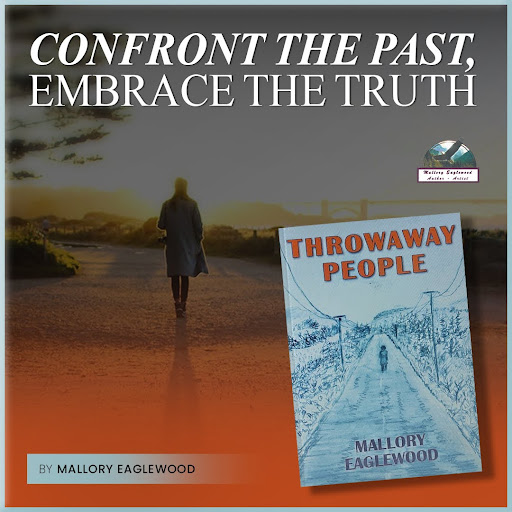
If you are looking for historical and thought-provoking fiction, ‘Throwaway People’ by Mallory Eaglewood is for you. Embark on a gripping journey with Birdie as her world is forever altered by the discovery of a fisherman’s lifeless body on a Scottish beach. Triggering haunting memories of her brother’s mysterious disappearance, Birdie, a Metis woman, feels an undeniable call to her Native roots.
To uncover the truth about her brother Gerald and mend the fragments of her family, Birdie must navigate a challenging path through racism, betrayal, and her own guilt. From the Scottish Highlands to her British Columbia hometown, Birdie’s quest takes her on a transformative odyssey. As she grapples with her Indigenous heritage and risks everything to seek justice, the inconvenient truth of the historical and contemporary experiences of Indigenous people unfolds.
Birdie explores a painful past, including an older murder, a wrongful conviction, and a relentless murderer determined to bury his crimes. Join Birdie as she confronts her fears, uncovers answers, and discovers the profound connections between family, reconciliation, and love. This captivating story is not an ordinary tale; it’s an invitation to immerse yourself in a world of mystery, resilience, and the enduring power of truth.
The main motivation behind writing this book is deeply personal. As a child, the author was taught to suppress her grandmother’s indigenous heritage. Throughout her life, she was silenced and denied the respect she deserved. This book, ‘Throwaway People’ by Mallory Eaglewood, serves as an attempt to rectify this injustice by giving her grandmother the voice and respect she lacked in life.
This endeavor is deeply personal for the author as she hopes that by sharing her grandmother’s story, she can contribute to healing generational wounds. Mallory believes in supporting others by highlighting the pain caused by cultural erasure. Purchasing a copy of this remarkable book will help the author support various organizations and initiatives dedicated to preserving indigenous languages and cultures, promoting self-determination, and addressing land issues.
Head to Amazon and order your copy today!