In order to achieve justice for Indigenous peoples, it is necessary to address both past wrongs and present difficulties. Centuries of colonization, institutionalized discrimination, and cultural repression have left Indigenous people across the globe with persistent socioeconomic and political divides.
This article will examine the crucial areas that must be addressed in order to achieve justice for Indigenous peoples,
Historical Acknowledgment and Reconciliation:
Acknowledging historical wrongs is a crucial first step towards attaining justice for Indigenous peoples. Indigenous groups have been subjected to many forms of persecution for millennia, ranging from cultural erasure to land dispossession. Acknowledging these injustices is essential to the process of recovery and harmony.
Societies and governments alike must acknowledge the harm done and accept accountability for their part in allowing these injustices to continue. In order to mend relationships and foster trust, reconciliation calls for far more than just sincere apologies.
Legal Rights and Sovereignty:
The protection of Indigenous peoples’ legal rights and sovereignty is crucial to their empowerment. Justice requires self-governance, the ability to uphold Indigenous legal systems, and the legal recognition of their land rights. Without outside influence, indigenous groups ought to be able to decide what happens to their lands, resources, and systems of government.
To stop exploitation and guarantee that Indigenous peoples have control over their futures, legal structures that safeguard their rights must be strengthened.
Cultural Preservation and Revitalization:
The identity and legacy of Indigenous peoples depend heavily on the preservation and restoration of their traditions. Numerous Indigenous languages, customs, and practices have been lost as a result of colonization and assimilation programs. Attaining justice requires, among other things, supporting initiatives to preserve and revitalize these cultural components.
Cultural knowledge can be preserved with the aid of educational initiatives that educate Indigenous languages, customs, and history.
Economic Empowerment and Sustainable Development:
For Indigenous peoples, economic empowerment is a critical component of justice. Indigenous populations have historically experienced economic marginalization, which has resulted in high rates of poverty and restricted access to opportunities.
Building sustainable and independent communities requires promoting economic growth that honors Indigenous values and aspirations. Strong infrastructure, healthcare, and education investments made with Indigenous communities’ needs in mind can serve as a solid basis for economic expansion. Justice for Indigenous peoples must be served by an all-encompassing strategy that tackles both current and historical problems.
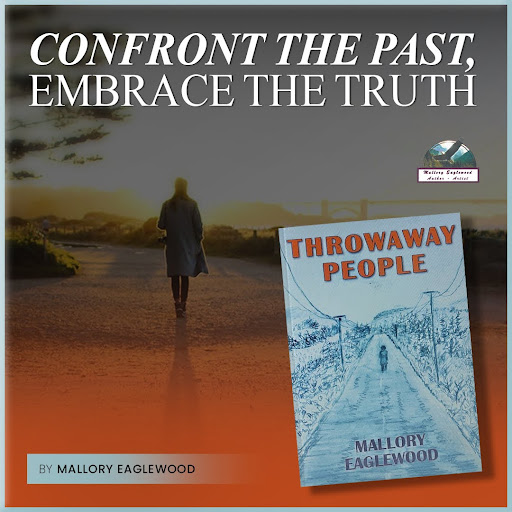
If you are looking for historical and thought-provoking fiction, ‘Throwaway People’ by Mallory Eaglewood is for you. Embark on a gripping journey with Birdie as her world is forever altered by the discovery of a fisherman’s lifeless body on a Scottish beach. Triggering haunting memories of her brother’s mysterious disappearance, Birdie, a Metis woman, feels an undeniable call to her Native roots.
To uncover the truth about her brother Gerald and mend the fragments of her family, Birdie must navigate a challenging path through racism, betrayal, and her own guilt. From the Scottish Highlands to her British Columbia hometown, Birdie’s quest takes her on a transformative odyssey. As she grapples with her Indigenous heritage and risks everything to seek justice, the inconvenient truth of the historical and contemporary experiences of Indigenous people unfolds.
Birdie explores a painful past, including an older murder, a wrongful conviction, and a relentless murderer determined to bury his crimes. Join Birdie as she confronts her fears, uncovers answers, and discovers the profound connections between family, reconciliation, and love. This captivating story is not an ordinary tale; it’s an invitation to immerse yourself in a world of mystery, resilience, and the enduring power of truth.
The main motivation behind writing this book is deeply personal. As a child, the author was taught to suppress her grandmother’s indigenous heritage. Throughout her life, she was silenced and denied the respect she deserved. This book, ‘Throwaway People’ by Mallory Eaglewood, serves as an attempt to rectify this injustice by giving her grandmother the voice and respect she lacked in life.
This endeavor is deeply personal for the author as she hopes that by sharing her grandmother’s story, she can contribute to healing generational wounds. Mallory believes in supporting others by highlighting the pain caused by cultural erasure. Purchasing a copy of this remarkable book will help the author support various organizations and initiatives dedicated to preserving indigenous languages and cultures, promoting self-determination, and addressing land issues.
Head to Amazon and order your copy today!