There is no doubt that narratives have the power to heal, especially within indigenous cultures where storytelling and oral tradition are deeply ingrained. Literature and oral narratives can help indigenous communities find peace, strength and resilience in the face of trauma and challenges.
This blog will help you provide an overview of how literature and oral traditions can be used for healing and well-being.
The Role of Indigenous Literature in Healing:
Indigenous literature serves as a tool for preserving cultural heritage, passing wisdom and developing resilience within indigenious communities. Indigenous writers reclaim their narratives, offering authentic portrayals of Indigenous life, culture, and spirituality through different ways of writing.
For Indigenous peoples, literature is more than just words on a page; it’s a form of cultural revitalization and resistance against centuries of colonization and oppression. The authors can inspire pride, solidarity and healing within their communities by promoting each other’s voices and reclaiming control over their own narrative.
Exploring the Healing Power of Indigenous Narratives:
Oral tradition has long been recognized as a powerful healing tool within Indigenous cultures. Passed down from generation to generation, oral narratives carry the collective wisdom, resilience, and survival strategies of Indigenous peoples.
Indigenous elders impart valuable lessons, offer guidance, and provide comfort to those struggling with trauma and adversity through storytelling. Stories help them reconnect and remind youth of their interconnectedness with their culture and ancestors.
Indigenous Literature as a Tool for Healing Trauma:
Colonization leaves a great impact on indigenous communities and instills intergenerational trauma, loss of cultural identity and systematic inequalities. Indigenous literature confronts these painful realities head-on, offering a space for healing, reconciliation, and empowerment.
By centering Indigenous voices and experiences, literature validates the lived realities of survivors and their descendants, developing a sense of belonging and understanding. Through stories of resilience, resistance, and renewal, Indigenous authors offer hope and inspiration to people struggling with the wounds of their past.
How Indigenous Narratives Promote Healing and Well-being:
Indigenous narratives promote healing and well-being, instilling purpose and affirming their cultural identity. Indigenous writers offer pathways to healing and transformation for individuals and communities alike by sharing stories of survival and resurgence.
These stories also act as catalysts for social change by challenging stereotypes and amplifying the voices of marginalized communities. Through literature and oral tradition, Indigenous peoples reclaim their rightful place as storytellers, guardians of wisdom, and agents of change in a world in need of healing.
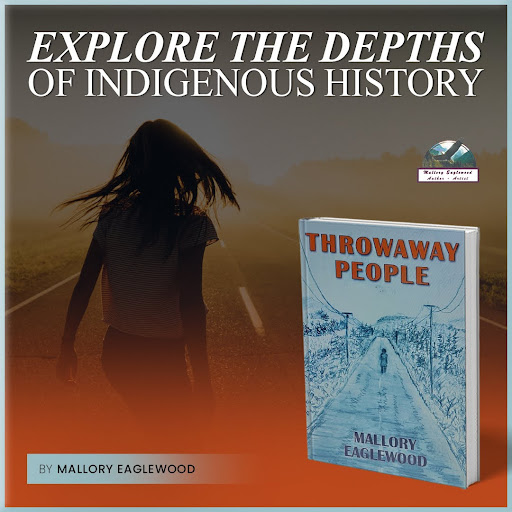
If you are looking for historical and thought-provoking fiction, ‘Throwaway People’ by Mallory Eaglewood is for you. Embark on a gripping journey with Birdie as her world is forever altered by the discovery of a fisherman’s lifeless body on a Scottish beach. Triggering haunting memories of her brother’s mysterious disappearance, Birdie, a Metis woman, feels an undeniable call to her Native roots.
To uncover the truth about her brother Gerald and mend the fragments of her family, Birdie must navigate a challenging path through racism, betrayal, and her own guilt. From the Scottish Highlands to her British Columbia hometown, Birdie’s quest takes her on a transformative odyssey. As she grapples with her Indigenous heritage and risks everything to seek justice, the inconvenient truth of the historical and contemporary experiences of Indigenous people unfolds.
Birdie explores a painful past, including an older murder, a wrongful conviction, and a relentless murderer determined to bury his crimes. Join Birdie as she confronts her fears, uncovers answers, and discovers the profound connections between family, reconciliation, and love. This captivating story is not an ordinary tale; it’s an invitation to immerse yourself in a world of mystery, resilience, and the enduring power of truth.
The main motivation behind writing this book is deeply personal. As a child, the author was taught to suppress her grandmother’s indigenous heritage. Throughout her life, she was silenced and denied the respect she deserved. This book, ‘Throwaway People’ by Mallory Eaglewood, serves as an attempt to rectify this injustice by giving her grandmother the voice and respect she lacked in life.
This endeavor is deeply personal for the author as she hopes that by sharing her grandmother’s story, she can contribute to healing generational wounds. Mallory believes in supporting others by highlighting the pain caused by cultural erasure. Purchasing a copy of this remarkable book will help the author support various organizations and initiatives dedicated to preserving indigenous languages and cultures, promoting self-determination, and addressing land issues.
Don’t miss the chance to order your copy from Amazon today!